Is Boba Healthy?
The honest answer is: it depends. A standard bubble tea from most shops is not particularly healthy due to its high sugar content. However, it’s not inherently “unhealthy” when consumed in moderation or when made with healthier modifications.
The Good:
- Tea provides antioxidants and other beneficial compounds
- Can be customized to reduce sugar and calories
- Offers hydration
- Can satisfy sweet cravings better than some alternatives
The Concerns:
- High sugar content in standard preparations
- Significant calorie count (300-500+ calories per drink)
- Tapioca pearls are essentially empty carbohydrates
- Large portion sizes
Nutrition Facts
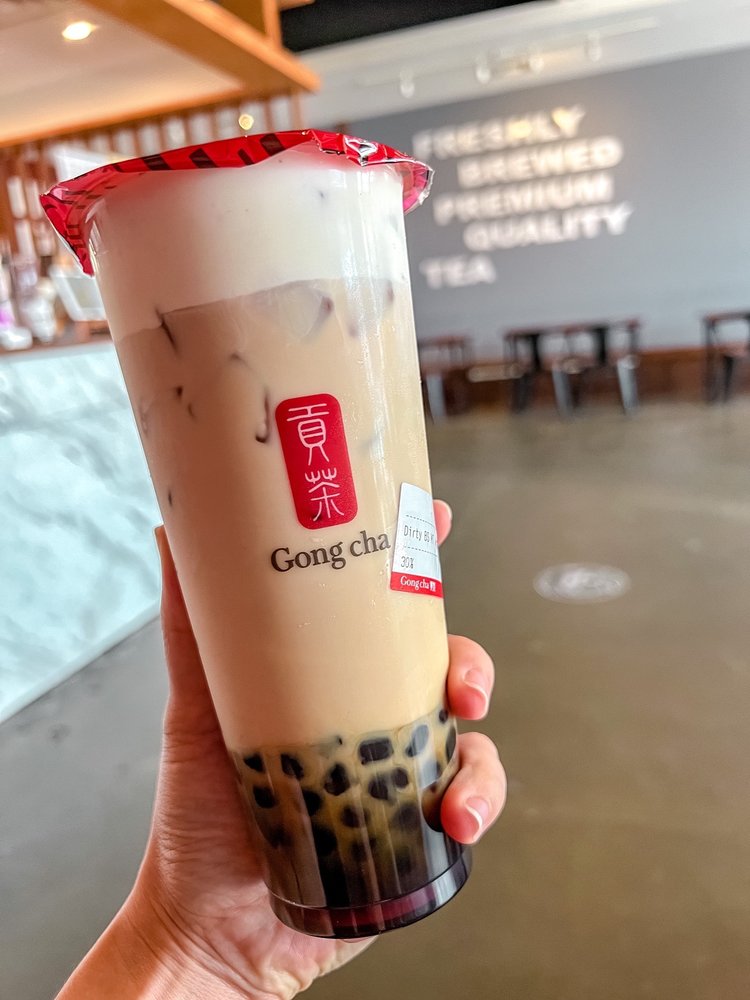
Here’s what you’ll typically find in a standard 16oz (500ml) bubble tea with tapioca pearls:
| Nutrient | Amount | % Daily Value |
|---|---|---|
| Calories | 300-450 | 15-22% |
| Sugar | 30-50g | 60-100% |
| Carbohydrates | 50-70g | 17-23% |
| Fat | 2-10g | 3-15% |
| Protein | 2-5g | 4-10% |
| Fiber | 0-1g | 0-4% |
Breaking Down the Components:
Tea Base (0-5 calories): Plain brewed tea is virtually calorie-free and contains beneficial antioxidants, particularly catechins in green tea and theaflavins in black tea.
Milk/Creamer (50-150 calories): Depending on whether fresh milk, creamer, or condensed milk is used, this can add significant calories and fat.
Sugar Syrup (80-160 calories): This is often the biggest calorie contributor. Standard sweetness levels can include 4-8 pumps of sugar syrup.
Tapioca Pearls (100-150 calories): Boba pearls are primarily starch with minimal nutritional value beyond carbohydrates.
Health Benefits
Despite concerns about sugar content, bubble tea does offer some health benefits:
Antioxidants from Tea: The tea base contains polyphenols that may help:
- Reduce inflammation
- Support heart health
- Protect against certain diseases
- Improve brain function
Caffeine Benefits: Moderate caffeine intake can:
- Boost mental alertness
- Improve physical performance
- Enhance mood
- Increase metabolism
Potential Benefits of Specific Teas:
- Green tea: Rich in EGCG, linked to weight management and cancer prevention
- Oolong tea: May help with weight loss and heart health
- Black tea: Supports gut health and may reduce blood pressure
Psychological Benefits: Enjoying a treat like bubble tea can contribute to overall well-being and satisfaction, which is also part of a healthy lifestyle.
Health Concerns
The main health concerns with bubble tea relate to its typical preparation:
High Sugar Content: A standard bubble tea can contain 30-50 grams of sugar—that’s 6-10 teaspoons! The American Heart Association recommends no more than 25-36 grams of added sugar per day.
Calorie Density: At 300-500 calories, a single bubble tea can represent 15-25% of daily caloric needs without providing significant nutritional value.
Empty Carbohydrates: Tapioca pearls are essentially pure starch with no fiber, vitamins, or minerals.
Blood Sugar Spikes: The combination of sugar and refined carbohydrates can cause rapid blood sugar increases, concerning for diabetics or those watching their glucose levels.
Potential Additives: Some shops use artificial flavors, colors, or preservatives that health-conscious consumers may want to avoid.
Healthier Boba Choices
You can still enjoy bubble tea while making healthier choices:
Reduce Sugar:
- Ask for 25-50% sweetness (most shops offer this)
- Request no sugar and add your own natural sweetener
- Choose unsweetened options
Choose Better Toppings:
- Opt for aloe vera (low calorie, contains vitamins)
- Try grass jelly (low calorie, traditional remedy)
- Choose fresh fruit over syrups
- Skip the boba entirely or ask for half
Select Healthier Bases:
- Plain tea instead of milk tea
- Fresh milk instead of creamer or condensed milk
- Unsweetened almond or oat milk
Watch Portion Sizes:
- Order regular instead of large
- Share with a friend
- Treat it as an occasional indulgence, not a daily drink
Healthy Ordering Checklist:
- ✅ 25-50% sugar level
- ✅ Fresh milk or plant-based alternative
- ✅ Green tea or oolong base
- ✅ Reduced toppings or healthier alternatives
- ✅ Regular size
Making Bubble Tea at Home
The healthiest option is making bubble tea at home where you control all ingredients:
Healthy Homemade Bubble Tea:
- Brew fresh green or oolong tea
- Use unsweetened almond milk
- Sweeten with stevia or monk fruit
- Add chia seeds instead of tapioca pearls
- Include fresh fruit for natural sweetness
This version can be as low as 50-100 calories with minimal added sugar.
The Bottom Line
Is bubble tea healthy? Standard bubble tea is a treat food—high in sugar and calories with limited nutritional benefits beyond the tea itself. However, it’s not “bad” for you when enjoyed occasionally and can be part of a balanced diet.
The key is moderation and making smarter choices:
- Limit consumption to once or twice a week
- Always reduce the sugar level
- Choose lighter milk options
- Consider the tea base your main ingredient, not the toppings
With these modifications, you can enjoy your favorite boba while maintaining a healthy lifestyle. Remember, perfect nutrition isn’t the goal—sustainable, balanced eating that includes occasional treats is what works long-term.