Does Boba Have Caffeine?
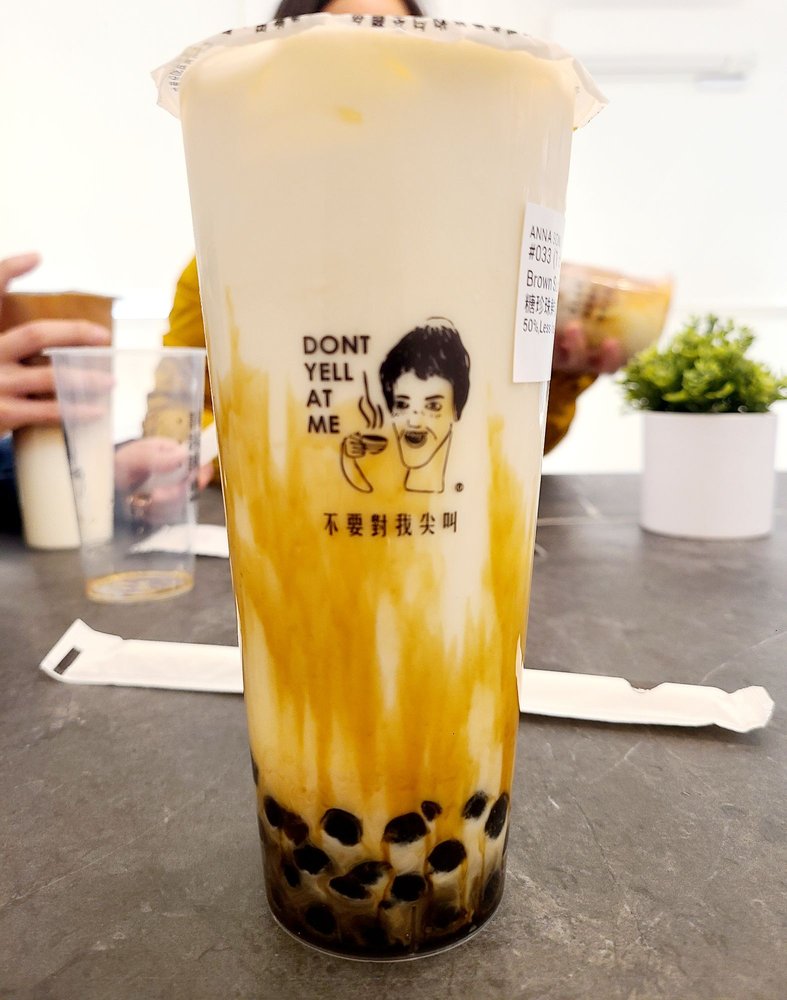
The tapioca pearls (boba) themselves do not contain caffeine. Tapioca pearls are made from cassava starch, water, and sweeteners—all caffeine-free ingredients. The caffeine in bubble tea comes entirely from the tea base.
This means:
- If your bubble tea is made with real tea (black, green, oolong, etc.), it will contain caffeine
- If your drink uses fruit juice, milk, or other non-tea bases, it can be completely caffeine-free
- The toppings (boba pearls, jelly, pudding) don’t add any caffeine
A typical 16oz (500ml) bubble tea can contain anywhere from 0 to 130mg of caffeine, depending on the tea used and how it’s prepared.
Caffeine by Tea Type
The caffeine content in bubble tea varies dramatically based on the tea base:
| Tea Type | Caffeine per 16oz | Notes |
|---|---|---|
| Black tea | 50-90mg | Highest caffeine tea option |
| Oolong tea | 35-55mg | Medium caffeine level |
| Green tea | 25-45mg | Moderate caffeine |
| Jasmine tea | 20-40mg | Usually green tea based |
| Matcha | 60-80mg | Concentrated green tea |
| White tea | 15-30mg | Lowest caffeine tea |
| Herbal tea | 0mg | Naturally caffeine-free |
| Fruit tea | 0mg | No tea leaves used |
Black Tea Bubble Tea: The most common base for classic milk tea, black tea has the highest caffeine content among traditional teas. A standard black milk tea can contain 50-90mg of caffeine.
Green Tea Bubble Tea: Popular options like jasmine green tea or matcha contain moderate amounts of caffeine. Green tea typically has about half the caffeine of black tea.
Oolong Tea Bubble Tea: Oolong falls between black and green tea in terms of caffeine content, offering a nice middle ground for those who want some caffeine but not too much.
Matcha Bubble Tea: Despite being green tea, matcha can be quite high in caffeine because you consume the entire tea leaf rather than just the brewed water.
Caffeine-Free Bubble Tea Options
If you want to enjoy boba without the caffeine, you have several delicious options:
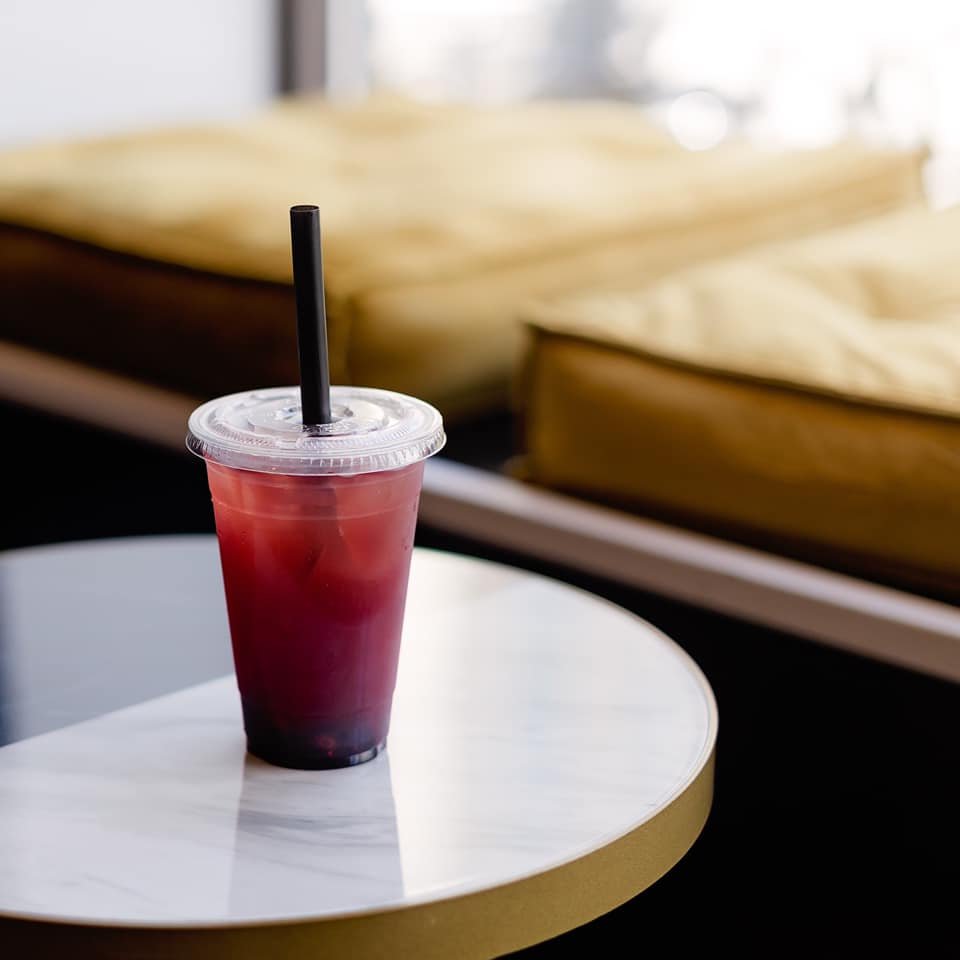
Fruit Teas: Made with fruit juice or puree instead of tea, these are naturally caffeine-free. Popular choices include:
- Mango fruit tea
- Passion fruit tea
- Strawberry tea
- Peach tea
- Lychee tea
Milk-Based Drinks Without Tea: Some bubble tea shops offer:
- Taro milk (made with taro root, not tea)
- Fresh milk drinks
- Yogurt-based drinks
Herbal Tea Options: If you still want a “tea” experience without caffeine:
- Rooibos tea
- Chamomile tea
- Peppermint tea
- Hibiscus tea
Slushies and Smoothies: Many boba shops also serve frozen drinks that don’t contain any tea.
Comparing Boba to Coffee
How does bubble tea’s caffeine compare to your morning coffee?
| Drink | Caffeine Content |
|---|---|
| Espresso (1 shot) | 63mg |
| Drip coffee (8oz) | 95mg |
| Cold brew (12oz) | 150-200mg |
| Black milk tea (16oz) | 50-90mg |
| Green milk tea (16oz) | 25-45mg |
| Matcha latte (16oz) | 60-80mg |
| Fruit bubble tea | 0mg |
As you can see, bubble tea generally contains less caffeine than coffee, making it a good alternative if you want a pick-me-up without the intense caffeine hit of coffee. However, matcha-based bubble teas can approach coffee-level caffeine.
Managing Caffeine Intake with Bubble Tea
Here are some tips for controlling your caffeine consumption while still enjoying boba:
Choose Your Tea Wisely:
- For high energy: Black tea or matcha
- For moderate energy: Oolong or green tea
- For low/no caffeine: White tea, herbal tea, or fruit tea
Ask About Brewing Strength: Some shops offer options for tea strength. A lighter brew means less caffeine.
Consider the Time of Day: If you’re sensitive to caffeine, stick to caffeinated boba in the morning or early afternoon, and switch to fruit teas later in the day.
Watch Your Serving Size: A large (24oz) bubble tea will have significantly more caffeine than a regular (16oz) size.
Be Aware of Double-Shot Options: Some shops offer “extra tea” or stronger brews that increase caffeine content.
Special Considerations
Pregnancy: Pregnant women are generally advised to limit caffeine to 200mg per day. A single black milk tea is usually safe, but it’s wise to track total daily intake or choose caffeine-free options.
Children: Kids are more sensitive to caffeine. Fruit-based bubble teas or herbal options are better choices for younger boba fans.
Caffeine Sensitivity: If you experience jitters, anxiety, or sleep problems from caffeine, opt for fruit teas or herbal alternatives.
Medication Interactions: Some medications interact with caffeine. Consult your healthcare provider if you’re unsure.
The Bottom Line
Yes, most bubble tea contains caffeine because it’s made with real tea. The amount varies from about 25mg (green tea) to 90mg (strong black tea) per 16oz serving. However, you can easily enjoy caffeine-free boba by choosing fruit teas, herbal options, or non-tea bases like taro or fresh milk.
The tapioca pearls themselves are always caffeine-free—it’s the tea that provides the caffeine. By understanding your options, you can enjoy bubble tea at any time of day while managing your caffeine intake to suit your lifestyle and health needs.