Term check
Check what "boba" means here
Pick the phrase you saw on a menu or search result. The checker tells you whether it means the drink, the tapioca pearls, or both.
"Let's get boba" usually means going out for bubble tea.
If the phrase is on a toppings list, "boba" usually means tapioca pearls. If it names a shop or plan, it usually means the drink category.
Is boba the same as bubble tea?
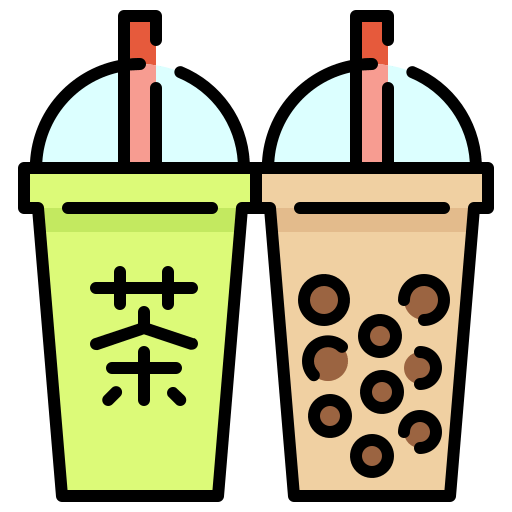
Yes, boba and bubble tea usually refer to the same Taiwanese drink: tea, milk or fruit flavor, sweetener, ice, and chewy toppings. In casual US speech, “boba” is the shorter word for the drink. On menus, “boba” can also mean the tapioca pearls.
That is why both of these sentences make sense:
- “I want boba” means “I want a bubble tea drink.”
- “Add boba” means “add tapioca pearls to the drink.”
Bubble tea vs boba at a glance
| Term | Meaning | Origin |
|---|---|---|
| Bubble tea | The complete drink | Taiwan, with the name tied to shaken tea foam |
| Boba | The drink, or the tapioca pearls | Taiwanese menu language that spread widely in the US |
| Pearl milk tea | Milk tea with tapioca pearls | A more literal translation of zhenzhu naicha |
| Milk tea | Tea with milk, often without toppings unless added | General drink category |
The most useful rule is simple: bubble tea always means the drink. Boba can mean the drink or the pearls, depending on the sentence.
Why is it called bubble tea?
Bubble tea gets its name from the bubbles and foam made when tea is shaken, not from the tapioca pearls at the bottom. The drink started in Taiwan in the 1980s, and both Britannica and Chun Shui Tang’s history describe Taiwan’s hand-shaken tea culture as part of the origin story.
That detail trips people up because modern shops put so much attention on the pearls. In everyday English, though, people now use “bubble tea,” “boba tea,” and “boba” for the same drink.
What does boba mean on a menu?
Boba usually means tapioca pearls when it appears as a topping. A shop might list “boba,” “pearls,” “tapioca,” “brown sugar boba,” or “black pearls.” Those all point to chewy starch pearls, although recipes and sizes vary.
Boba means the whole drink when it appears in a casual phrase like “boba shop,” “boba near me,” or “best boba.” In those cases, people are talking about the place or the drink category, not only the topping.
What is the difference between boba tea and bubble tea?
Boba tea and bubble tea are the same drink category. “Boba tea” is common in the US, especially on the West Coast. “Bubble tea” is more common in many international markets and is often the clearer term for someone new to the drink.
If you want the least confusing order, say the drink first and the topping second: “black milk tea with boba” or “mango green tea with popping boba.”
What should you say when ordering?
Use the word your local shop uses. The cashier will understand either term at most US bubble tea shops, but matching the menu avoids mix-ups.
| Situation | Best wording |
|---|---|
| You want the drink category | ”Bubble tea” or “boba” |
| You want tapioca pearls | ”Add boba” or “add tapioca pearls” |
| You do not want pearls | ”No boba” or “no pearls” |
| You want juice-filled pearls | ”Popping boba” |
| You want a milk tea with pearls | ”Milk tea with boba” |
Does every bubble tea have boba?
No. Bubble tea can be made with tapioca pearls, popping boba, crystal boba, jelly, pudding, aloe, red bean, or no topping at all. The drink is still bubble tea if it is shaken tea or milk tea without pearls.
This matters for searches like “bubble tea vs boba” because the drink category and the topping are related but not identical. A taro milk tea with grass jelly is bubble tea. A scoop of tapioca pearls added to Thai tea is boba as a topping.
Boba vs other toppings
| Topping | What it is | Texture |
|---|---|---|
| Tapioca boba | Cassava starch pearls, often cooked in syrup | Chewy |
| Popping boba | Juice-filled pearls with a thin gel skin | Bursts |
| Crystal boba | Clear konjac or agar-style pearls | Firm and lightly chewy |
| Jelly | Fruit, grass, coconut, or lychee jelly pieces | Soft to springy |
| Pudding | Custard-like topping | Smooth |
If you are comparing toppings, read the popping boba vs tapioca vs crystal boba guide next. If you only want calorie impact, use the bubble tea calorie calculator.
Which term is more common in the US?
In the US, “boba” is common for shops, social plans, and quick searches. “Bubble tea” is still widely used, especially by newer drinkers and by menus that want the category to be obvious.
The difference is more about wording than ingredients. A “boba shop” and a “bubble tea shop” are usually selling the same thing.
Common mix-ups
- Bubble tea does not need tapioca pearls. You can order it with jelly, pudding, aloe, popping boba, or no topping.
- Boba is not Japanese. The drink category comes from Taiwan.
- “Bubble” does not originally mean the pearls. It refers to shaken tea foam.
- Pearl milk tea is not a separate category from bubble tea. It is a more specific name for milk tea with pearls.
The plain answer
Bubble tea and boba are usually the same drink in everyday conversation. Bubble tea is the full drink. Boba can mean the full drink or the tapioca pearls, so the surrounding words matter.
For ordering, the safest wording is “milk tea with boba” when you want pearls, and “bubble tea with no boba” when you want the drink without tapioca pearls.