Bubble Tea Cup Types
Bubble tea cups come in several distinct styles, each designed for different purposes:
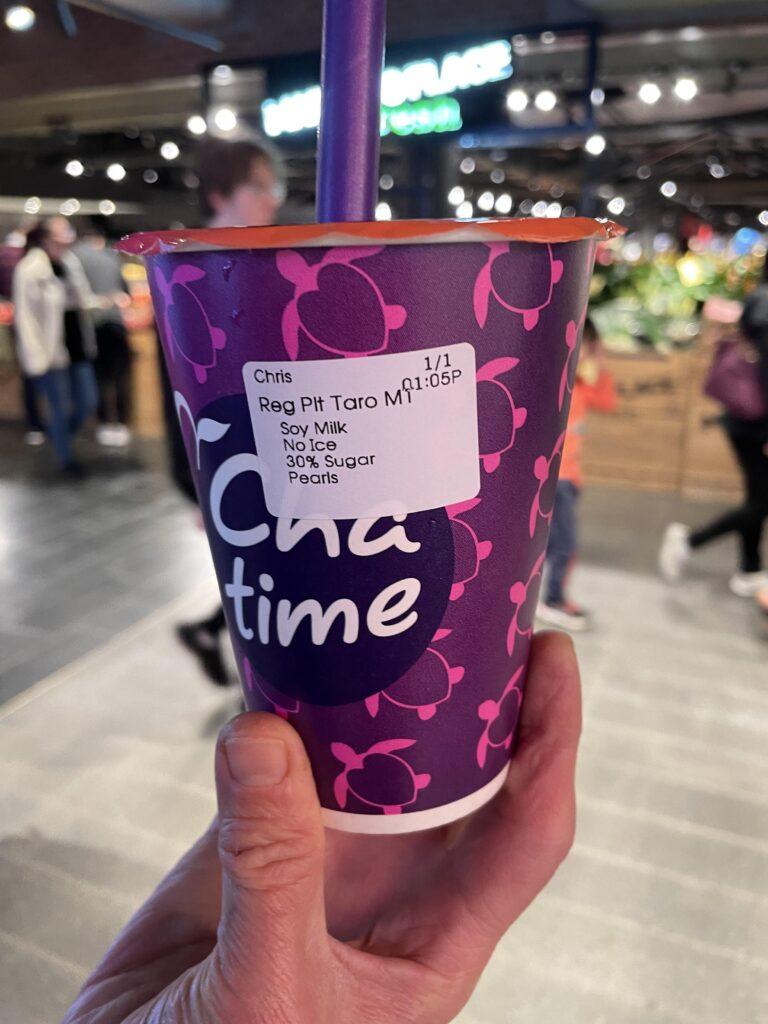
Standard Boba Cups:
- Clear plastic cups that showcase the drink’s layers
- Compatible with sealing machines or dome lids
- Most common type used in bubble tea shops
Sealer-Compatible Cups:
- Designed for use with cup sealing machines
- Create an airtight seal with plastic film
- Require a straw to puncture the seal
- Popular in traditional Asian boba shops
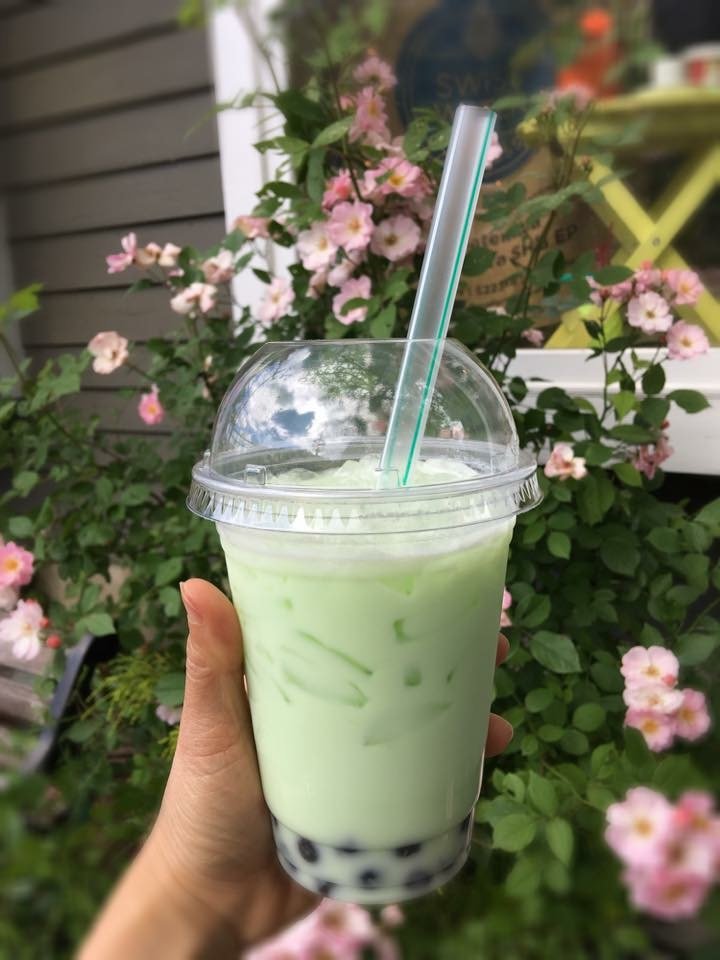
Dome Lid Cups:
- Feature a rounded dome-shaped lid
- Allow for toppings like cheese foam or whipped cream
- More common in Western-style shops
Mason Jar Style:
- Trendy, reusable option
- Popular for aesthetic photos
- Common in upscale or specialty shops
Double-Wall Cups:
- Insulated design keeps drinks cold longer
- Prevents condensation on the outside
- Premium option for hot and cold drinks
Cup Sizes
Bubble tea typically comes in several standard sizes:
| Size | Volume (oz) | Volume (ml) | Common Names |
|---|---|---|---|
| Small | 12 oz | 350 ml | Regular, S |
| Medium | 16 oz | 500 ml | Standard, M |
| Large | 24 oz | 700 ml | Large, L |
| Extra Large | 32 oz | 1000 ml | Jumbo, XL |
Most Popular Size: The 16oz (500ml) cup is the industry standard and most commonly ordered size. It provides a good balance between portion and value.
Size Considerations:
- Smaller cups are better for concentrated drinks like milk tea
- Larger cups work well for fruit teas and slushies
- Ice takes up significant volume—factor this in when choosing size
Materials
Bubble tea cups are made from various materials, each with pros and cons:
PET Plastic (Polyethylene Terephthalate):
- Most common material for bubble tea cups
- Crystal clear visibility
- Recyclable (#1 plastic)
- Food-safe and BPA-free
- Cost-effective for businesses
PP Plastic (Polypropylene):
- Heat-resistant (good for hot drinks)
- Slightly more durable than PET
- Recyclable (#5 plastic)
- Can be opaque or translucent
PLA (Polylactic Acid):
- Made from plant-based materials (usually cornstarch)
- Biodegradable and compostable
- Looks and feels like plastic
- Requires commercial composting facilities
- More expensive than traditional plastic
Paper Cups:
- Eco-friendly option
- Often lined with PLA for liquid resistance
- Better for hot drinks
- Less visibility of drink contents
Glass:
- Premium, reusable option
- Best for in-house dining
- Heavy and breakable
- Excellent for photography
Stainless Steel:
- Reusable and durable
- Great insulation
- Popular for personal use
- Can’t see the drink inside
Dome vs Flat Lids
The lid you choose affects both functionality and aesthetics:
Flat Lids:
- Traditional choice for standard boba drinks
- Work with cup sealing machines
- Lower profile for easy transport
- Less material used
- Best for: Classic milk teas, fruit teas without toppings
Dome Lids:
- Extra headroom for toppings
- Accommodate cheese foam, whipped cream, or extra ice
- More visually appealing for layered drinks
- Easier to drink from without a straw
- Best for: Specialty drinks, topped beverages, slushies
Sealed Film Lids:
- Created by cup sealing machines
- Completely airtight
- Prevents spills during transport
- Requires straw to puncture
- Best for: Delivery, takeaway, transport
| Lid Type | Best For | Spill Prevention |
|---|---|---|
| Flat | Standard drinks | Good with straw hole plug |
| Dome | Topped drinks | Moderate |
| Sealed Film | Transport/Delivery | Excellent |
Eco-Friendly Options
As environmental awareness grows, many boba lovers seek sustainable alternatives:
Reusable Boba Cups:
- Glass or stainless steel construction
- Come with reusable straws
- One-time investment for regular boba drinkers
- Many shops offer discounts for bringing your own cup
Compostable Cups:
- Made from PLA, paper, or bamboo fiber
- Break down in commercial composting facilities
- Look and function like traditional cups
- More expensive but environmentally responsible
Paper-Based Options:
- FSC-certified paper cups
- Lined with plant-based coatings
- Recyclable in many areas
- Good for hot and cold drinks
Tips for Eco-Conscious Boba Lovers:
- Bring a reusable cup and straw
- Skip the lid when drinking in-shop
- Choose shops that use compostable materials
- Properly recycle or compost when possible
- Say no to unnecessary packaging
For Boba Shop Owners
If you’re running a bubble tea business, cup selection matters for several reasons:
Cost Considerations:
- PET cups: $0.05-0.15 per cup
- PP cups: $0.07-0.18 per cup
- PLA cups: $0.15-0.30 per cup
- Quality lids: $0.02-0.08 each
Branding Opportunities:
- Custom printed cups increase brand visibility
- Consistent cup style builds brand recognition
- Unique cup shapes can differentiate your shop
- Clear cups showcase your drink quality
Practical Tips:
- Order in bulk for better pricing
- Ensure compatibility with your sealing machine
- Stock multiple sizes based on customer preferences
- Consider seasonal or limited-edition designs
Home Bubble Tea Setup
For home boba enthusiasts, here’s what you need:
Essential Supplies:
- Reusable glass or plastic cups (16-24oz)
- Wide reusable straws (stainless steel or silicone)
- Dome lids for topped drinks
- Optional: Mason jars for aesthetic appeal
Where to Buy:
- Amazon: Wide variety of options
- Asian grocery stores: Authentic supplies
- Restaurant supply stores: Bulk options
- Specialty boba supply websites
The Bottom Line
The right bubble tea cup enhances your boba experience. Whether you prefer the traditional sealed plastic cup, a trendy dome-lidded creation, or an eco-friendly reusable option, there’s a perfect cup for every boba lover.
Key takeaways:
- 16oz is the standard size for most bubble tea drinks
- Clear PET plastic is most common, but eco-friendly options are growing
- Dome lids allow for creative toppings and taller drinks
- Reusable cups are the most sustainable choice
- Cup selection matters for both aesthetics and functionality
Choose the cup that best fits your needs, whether you’re enjoying boba at home, running a shop, or simply looking for a more sustainable way to enjoy your favorite drink.